
DGA Threads
> Six years of e-commerce, omnichannel selling, and brand growth for a bespoke wearable-art label, from everyday operations to the campaign that cleared its final collection.Building and running the commerce operation for DGA Threads across store, web, and social, where digital existed to tell the story and activate the brand's biggest moments.
The Client
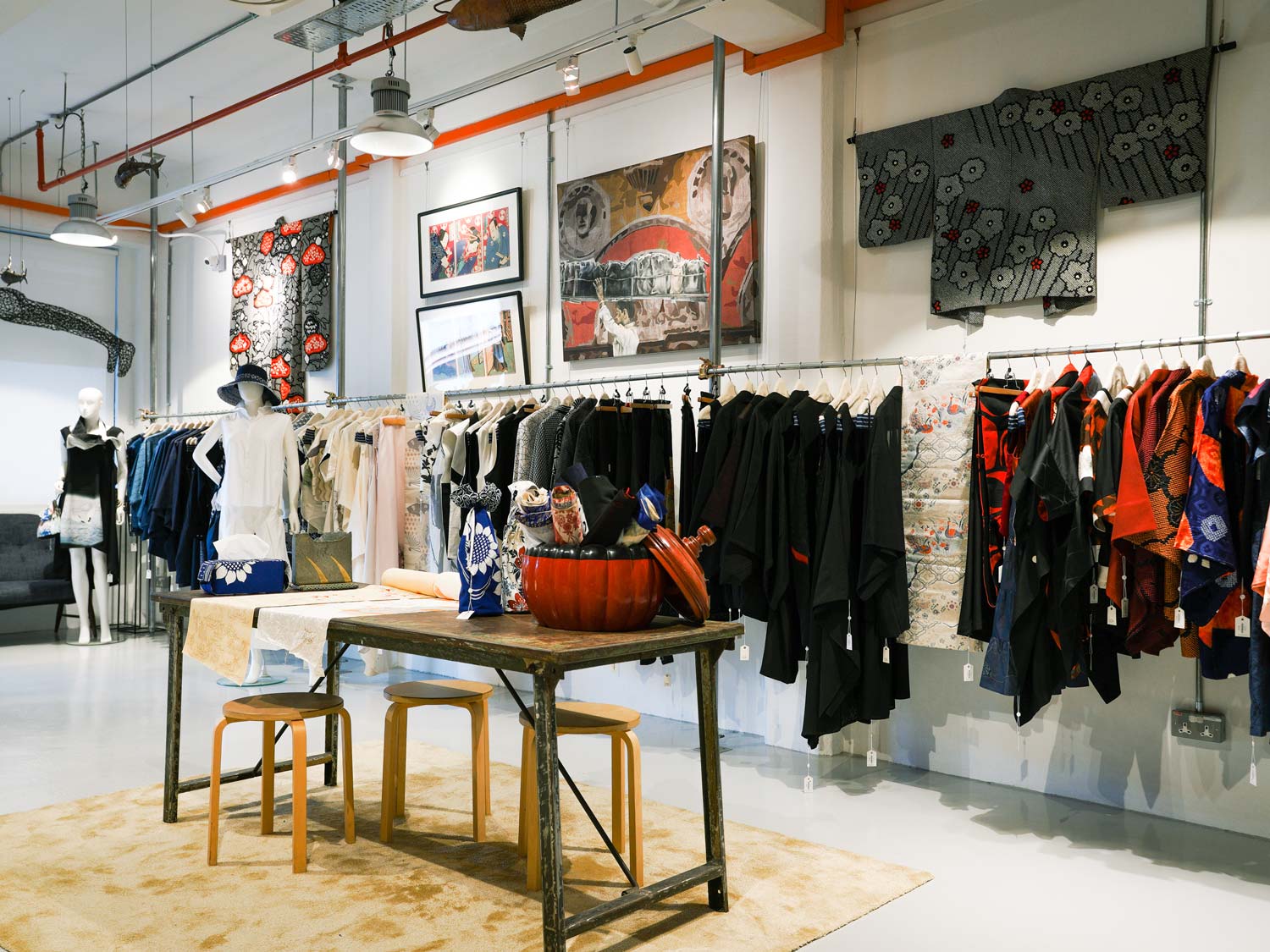
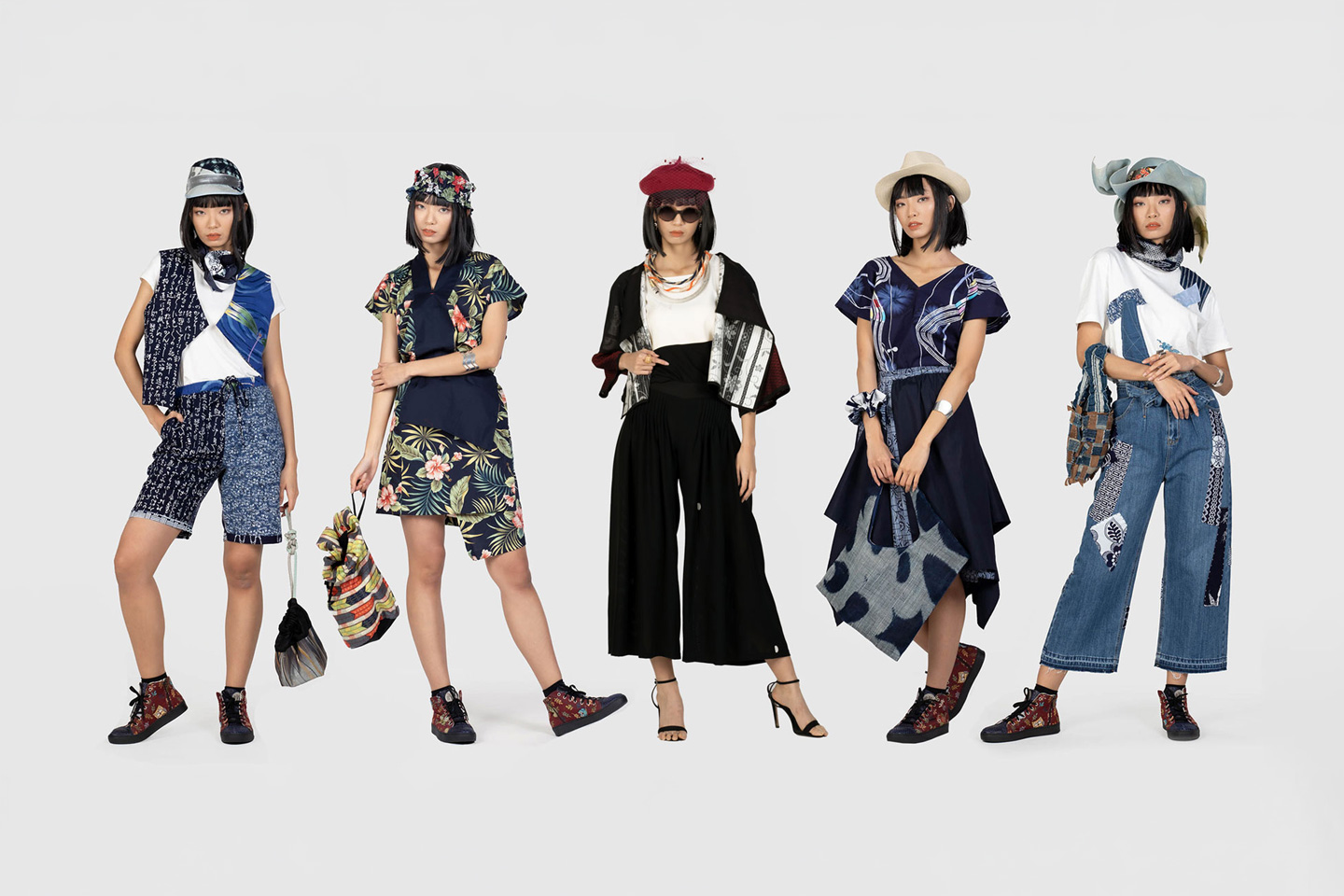
DGA Threads was Pino De Giosa's fashion label, built on giving vintage Japanese textiles a second life. Kimono, obi, and traditional fabrics were reworked into wearable contemporary pieces: tailored garments, accessories, and one-of-a-kind items that carried decades of craft into a modern wardrobe. Because almost every piece was bespoke and singular, the label lived primarily in its physical store, where customers could see and feel the work before buying.
The Challenge
Running commerce for a brand where every piece was unique and most buying happened in person. The store was the heart of the business, so the digital side had to earn its place differently: present each one-of-a-kind work the way a gallery would, sell across every channel customers actually used, and turn into a sales engine for the moments that mattered, from product drops to pop-ups, runway shows, and eventually the closing sale. The brand's commerce ran on Shopify, set up to carry that whole operation rather than just host a catalog.
Scope of Work
A bespoke storefront and a documented catalog and SEO playbook, omnichannel selling across Google, Instagram, and Facebook, a dual online-and-offline payment model built to protect margin, ongoing email and social marketing to a returning-customer list, GA4 tracking, and the paid campaigns that powered the brand's biggest sales moments.
The Approach
Digital existed to serve the store and grow the brand, so it had to look like the work and run like a real operation.
Bespoke Storefront & Catalog System
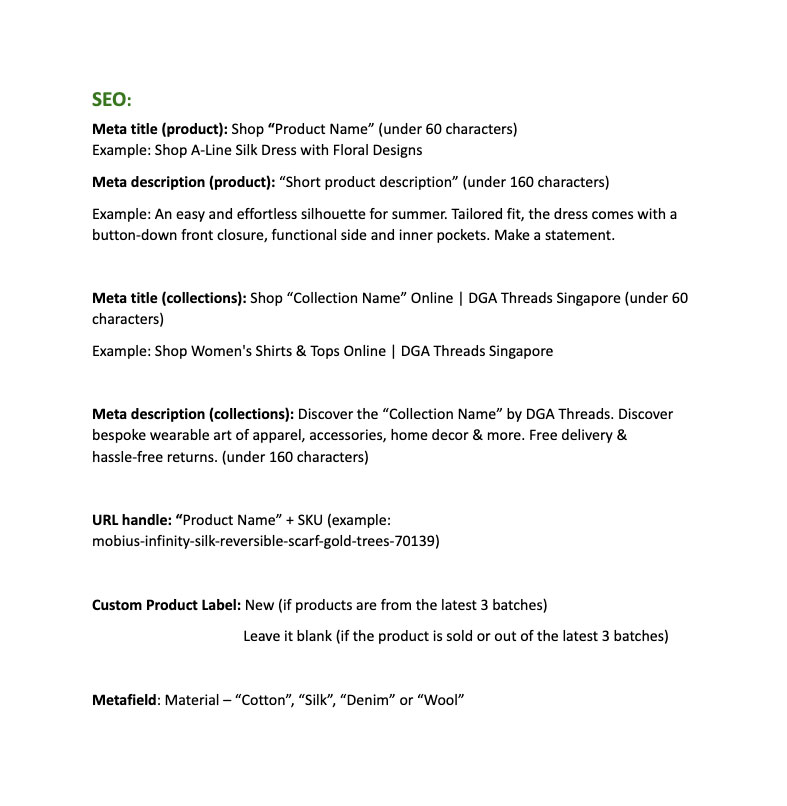
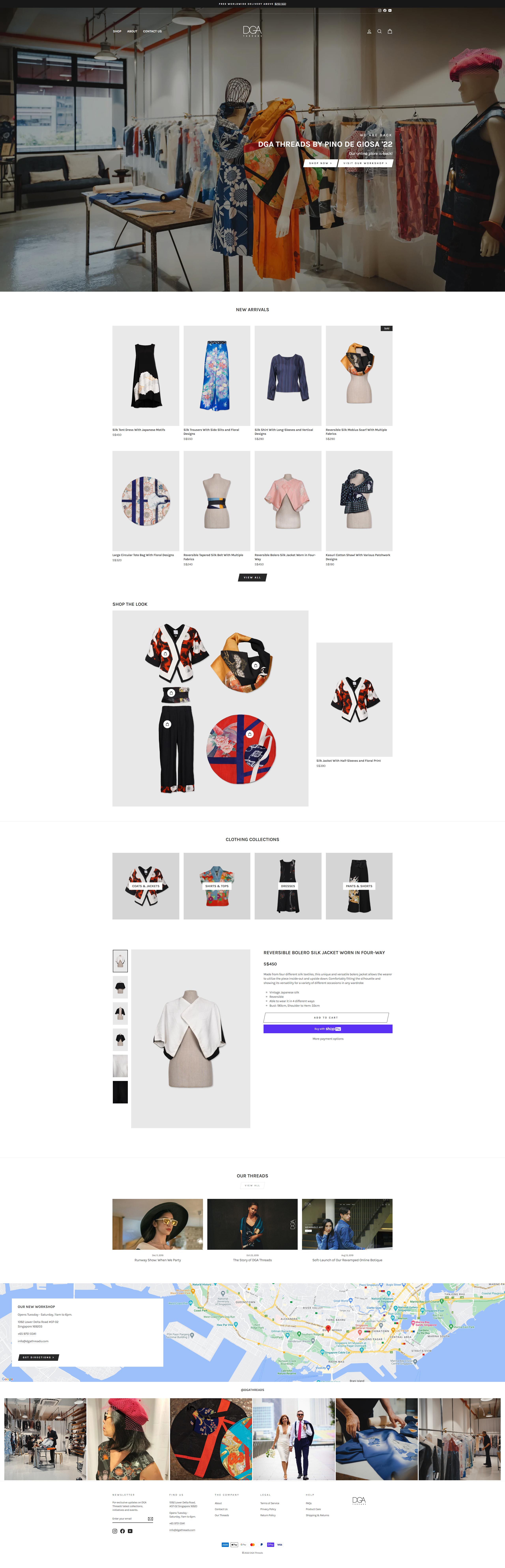
The storefront was custom-designed to carry the brand's story rather than sit in a template: editorial pacing, materials narratives, and lookbooks over a plain catalog grid. Product-page standards set how each one-of-a-kind piece was shot, described, and presented, down to custom CSS controlling product titles, pricing, SKU display, and sale tags. Behind it ran a documented playbook covering image formats and naming, product-title and description rules, SEO title and meta templates, theme-update steps, and the CSS itself. New listings were duplicated from a tagged master template, so the catalog stayed consistent and on-brand as it grew.
Omnichannel Selling
The catalog was connected to Google Merchant Center, Instagram Shop (active at the time), and Facebook, putting products in front of customers across the channels they were already on, with the store as the destination.
Payment Strategy
Two payment paths for two different needs. Online, PayNow and standard gateways handled web orders. In-store, rather than running every walk-in sale through Shopify's checkout and paying a transaction fee on it, orders were created in Shopify and invoiced with a custom PDF layout built in Order Printer Pro, so customers could pay offline. Inventory and the order record stayed unified in Shopify while margin on in-store sales was protected.
Marketing & Retention
Mailchimp handled newsletters and email campaigns to the customer list. An Instagram feed app pulled social content onto the site to keep it active between drops. GA4 was implemented for tracking across the funnel.
The creative output running alongside the commerce operation was substantial — brand and editorial photography, model shoots, campaign visuals, seasonal content, short-form video, and paid advertising across the brand's full lifecycle. Every product image on the store, every campaign visual sent to the list, and every ad creative deployed for the closing sale came from the same engagement.
The Closing Campaign
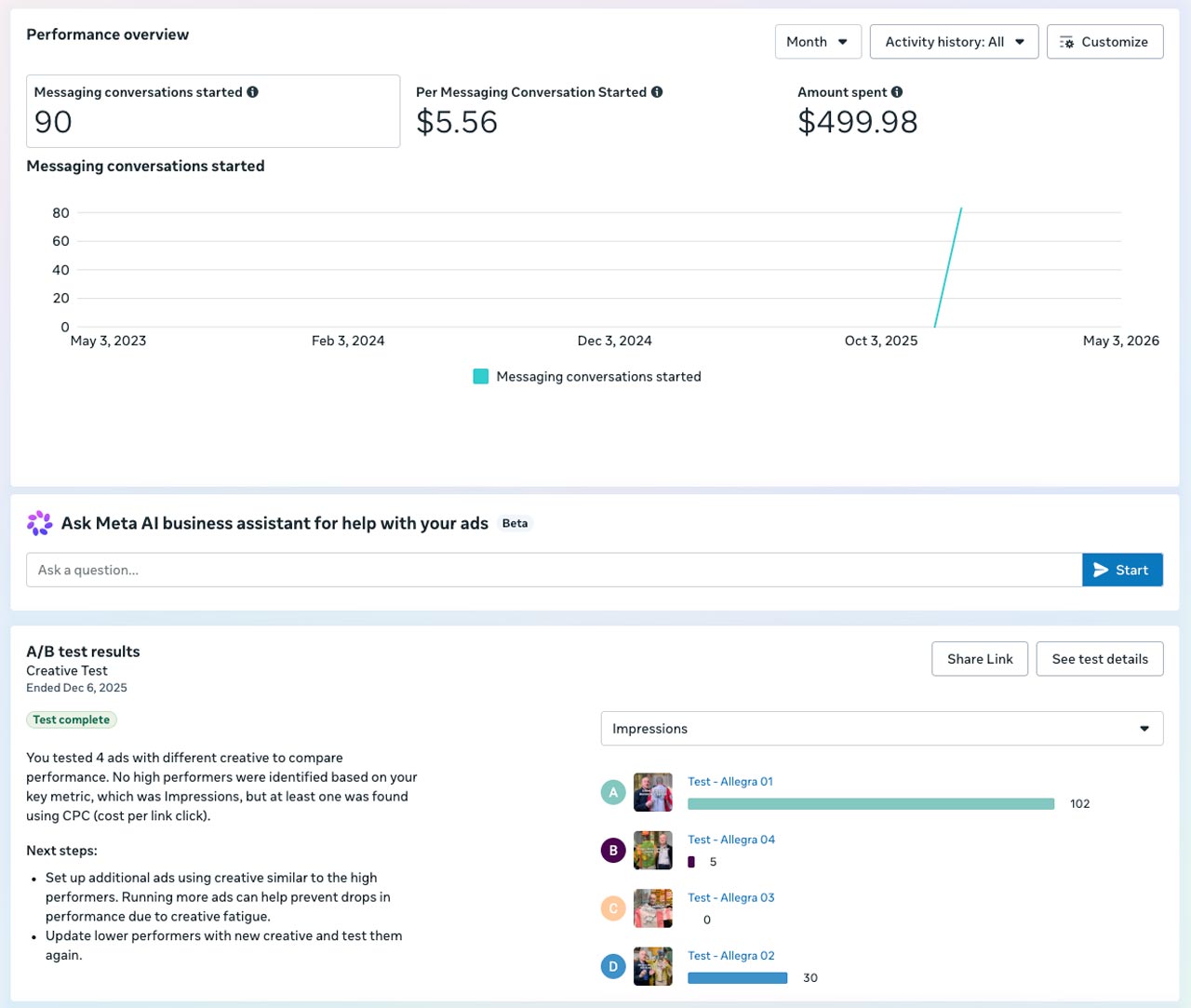
When the decision was made to wind down the brand, the digital channel did its most focused work. A Meta ads campaign ran from November into mid-December, using messaging conversations as the campaign objective — driving interested buyers to WhatsApp and Messenger rather than pushing for direct online purchase. For a brand where most buying happened through personal contact, that objective choice was deliberate.
Multiple ad creatives and some were A/B tested across the campaign. 90 messaging conversations were started at SGD $5.56 per conversation, from a total spend of SGD $499.98. At least 20 converted to in-store purchases at an average order value of SGD $400–600 — a minimum of SGD $8,000 in revenue from a SGD $500 budget.
The Outcome
The online channel was never meant to out-sell the store. With bespoke, one-of-a-kind pieces, its job was to tell the story well enough to bring people in. Three moments showed it converting on its own terms.
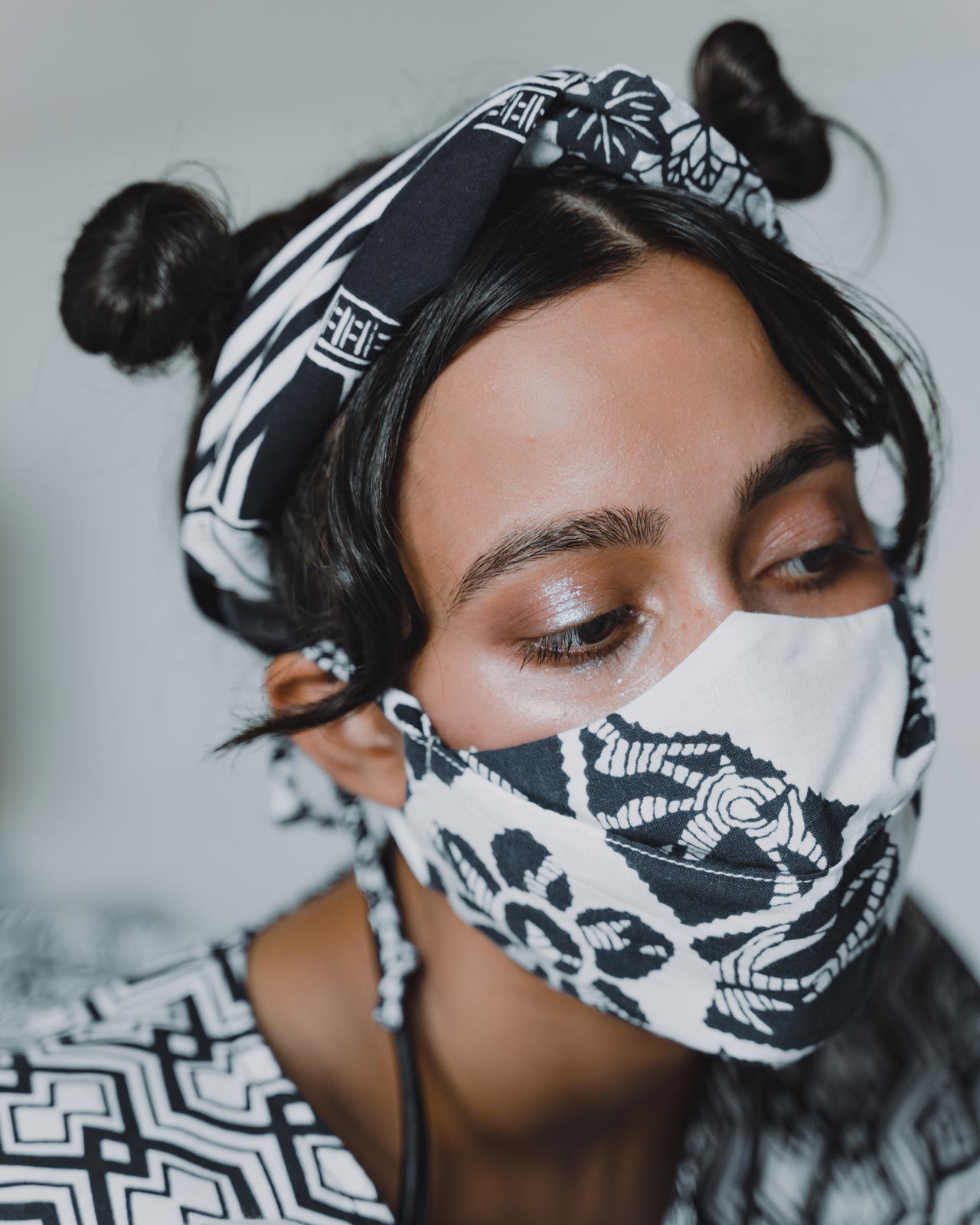
The masks.
Post-COVID, the brand produced bespoke one-of-a-kind masks from its Japanese textiles, priced around $30 to $60. Every drop sold out online.
The closing sale.
Paid campaigns on TikTok and Meta drove 90 messaging conversations from a total ad spend of SGD $499.98 — SDG $5.56 per conversation, with the objective set to messaging rather than direct purchase to match how the brand actually sold. At least 20 of those conversations converted to in-store purchases at an average order value of SGD $400–600, generating a minimum of SGD $8,000 in attributed revenue from a $500 budget. Combined with content produced for the founder to post, roughly 120 of 150 remaining fabrics were cleared at around $100 each, and the store was approximately 90% sold out by mid-December.
The list.
A returning-customer base of roughly 100 to 120 active buyers stayed engaged through the brand's life by email and WhatsApp, rewarded with discounts and gifts.
Tools & Platforms
Shopify (Online 2.0), PayNow, Order Printer Pro (PDF Invoice), Mailchimp, Google Merchant Center, Instagram Shop, Facebook, Google Analytics (GA4), TikTok Ads, Meta Ads, Adobe Creative Suite.
The full creative body of work is documented separately. View the DGA Threads creative case study →
"Through, Kickstack – Jun‘s vision, DGA Threads has discovered its true digital expression. The design flows with quiet confidence — intuitive, refined, and harmoniously composed. Every detail, from structure to movement, conveys our story with authenticity and depth, transforming our brand into a living, breathing presence."
– Giuseppe De Giosa
Director & Founder, DGA Threads
> All work produced independently as part of an ongoing freelance engagement with DGA Threads by Pino De Giosa. Full authorisation granted to feature as Kickstack portfolio work.

Let's build something worth talking about.
More Projects >






Ready, set, stack>